


Neuralink: Is the future of brain-machine interfaces already here?
Neuralink sounds like something from a Cyberpunk novel. But it is very real. Elon Musk’s company builds bridges between human brains and computers. You might think this tech belongs in the distant future. Think again. It is happening right now. The results are wild (and maybe a little scary).
➥ What is the Neuralink Chip Exactly?
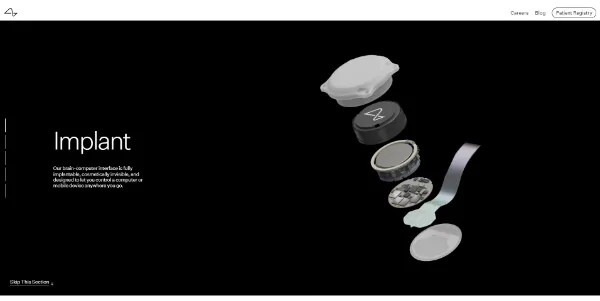
Neuralink is a brain-computer interface (BCI). Picture a coin-sized chip called “The Link.” It sits flush with your skull. This tiny device holds over 1,000 super-thin electrodes. These threads read signals straight from your brain.
A surgical robot named R1 implants these threads. Why? Because human hands are too shaky. The goal is simple. Control a computer or phone just by thinking. No hands. No voice commands. Just pure thought.
➥ Main Features and Real-World Magic
The “Telepathy” product is the star right now. It interprets your brain activity. Then it turns those signals into digital actions. Recent updates from 2024 and 2026 show incredible progress.
Telepathy: Gaming and Productivity
Noland Arbaugh was the first human patient. He used Telepathy to play Civilization VI for hours. He even browsed the web and played chess. He joked about having an “aimbot” in his head. The cursor moves that precisely.
Then came Alex, the second participant. He took things further. Alex played Counter-Strike 2. He aimed with his mind. He also used 3D design software (Fusion 360) to build a charger mount. This proves the chip handles complex tasks. It is not just for simple clicks.
Blindsight: Seeing Without Eyes
This feature recently got the FDA Breakthrough Device Designation. Blindsight aims to give vision to blind people. Musk claims it works even without eyes or an optic nerve. It skips the eyes entirely. Image data goes straight to the brain’s visual center.
➥ Advantages and Concrete Benefits
Why would someone want a chip in their head? The benefits for people with severe disabilities are massive. It brings back freedom that seemed lost years ago.
- True Autonomy: Text friends or browse the web. You do not need a caregiver’s help.
- High Speed: Direct brain signals are fast. They beat eye-tracking cameras easily.
- Invisible Tech: The implant sits under the skin. No wires stick out of your head.
- Multitasking: Alex showed us the way. You can move and aim at the same time in games.
➥ Neuralink Pricing Model
You cannot buy a Neuralink chip at a store yet. Currently, the device is part of the PRIME Study. This is a medical trial. Participation is free if they select you.
Experts guess the commercial price will be high at first. Think in the range of $40,000 to $50,000. This matches other major medical implants. Insurance will likely pay a huge part of the cost later.
➥ Who is This Tool Best For?
This tech focuses strictly on medical help for now. It targets people who cannot use their limbs. Do you have a spinal cord injury or ALS? Then this device opens new doors.
The Blindsight update also targets individuals with total vision loss. Musk talks about “superhuman” powers for everyone later. But the current focus remains on basic human functions.
➥ Top Alternatives to Neuralink
Neuralink gets all the hype. However, other companies do amazing work too. Here are a few notable rivals.
Synchron
Synchron takes a different path. They do not cut open your skull. Their device, the Stentrode, enters through a blood vessel in the neck. It sits near the motor cortex safely. It works well with Apple devices too.
Blackrock Neurotech
This company is a veteran in the BCI space. Their “Utah Array” is famous in research. It usually uses wires. But they have decades of safety data. It looks less sleek than Musk’s version. Yet it is highly reliable.
| Feature | Neuralink | Synchron |
|---|---|---|
| Invasiveness | High (Open skull surgery) | Low (Via blood vessel) |
| Bandwidth | High (1,024 channels) | Lower (16 sensors) |
| Visibility | Invisible (Under skin) | Invisible (Inside vein) |
➥ Conclusion and Review
Neuralink pushes the limits of what it means to be human. Look at the progress. Noland plays chess. Alex designs 3D objects. It is staggering. It brings genuine hope to paralyzed people.
Safety remains the biggest question. The hardware is new. We must study the long-term effects. But the potential upside is life-changing. Do you qualify for the trials? Keep an eye on the patient registry.
 Try Neuralink
 ➥ Frequently Asked Questions about Neuralink
Is the Neuralink surgery painful?
Patients say the surgery is painless. You are under anesthesia. The brain itself has no pain receptors. Recovery is reportedly quick. Patients often go home the next day.
Can healthy people get a Neuralink chip?
Not yet. The FDA approves it only for specific medical conditions. Think quadriplegia or ALS. Consumer use for gaming is likely decades away.
What happens if the chip needs an update?
The battery charges wirelessly. Software updates happen over Bluetooth. However, replacing the implant requires surgery. This is a major factor to consider.
Does the Neuralink chip connect to the internet?
Yes. It connects to computers and phones via Bluetooth. This lets you browse the web or send emails. You use only your mind.
 More sites like Neuralink in the category: #Robots and Devices
Text written by a human



 Copy Link
« An all-in-one creative platform that brings together more than 30 image and video models in a single interface. It includes camera controls that let you direct like a real filmmaker, characters that remain consistent from scene to scene, and ready-to-use tools for ads and short-form content »
 90
90