
The best list of high-quality prompts for Nano Banana Pro & Gemini 3 Image.
The Best Nano Banana Prompt List & Free Directory (2026 Edition)
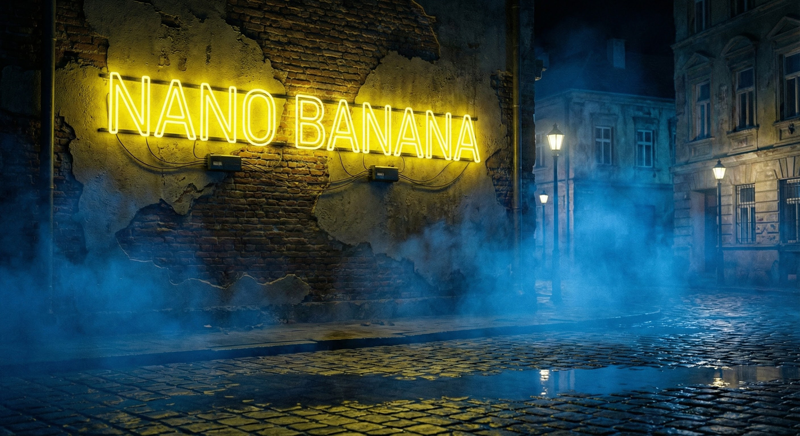 Fast Model (Standard)
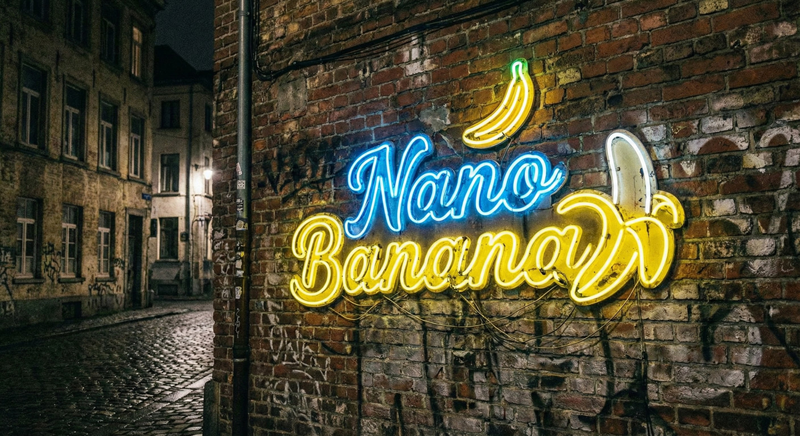 Nano Banana Pro (Thinking)
This page combines a curated directory of Nano Banana Pro prompts (above) and an in-depth guide that explains how the Nano Banana Pro / Gemini 3 Pro Image model works, how to write better prompts, and how to avoid the most common mistakes. You can copy-paste the templates below or adapt them to your own brand and creative workflow.
- What Nano Banana Pro (Gemini 3 Pro Image) actually is
- How to use Nano Banana Pro step by step
- Nano Banana vs Nano Banana Pro (Thinking vs Fast)
- A proven prompt structure that just works
- 25 copy-paste Nano Banana Pro prompts for real projects
What is Nano Banana Pro (Gemini 3 Pro Image)?
Nano Banana Pro is the “Thinking” image model built on Gemini 3 Pro Image. Instead of only generating pretty pictures, it actually reasons about your prompt: it understands composition, lighting, perspective, text placement and the relationships between objects in the scene. This makes it much more reliable for real-world work than older, purely generative models.
In practice, Nano Banana Pro is ideal when you care about quality, control and consistency. It can mix reference images, follow detailed instructions, render clean text and keep the same character identity across multiple images, which is crucial for client projects, branding and marketing.
Core capabilities of Nano Banana Pro
- 4K image generation suitable for print, large displays and high-end campaigns.
- Up to 14 reference images to control layout, style, characters and objects.
- Sharp, multilingual text rendering for packaging, menus, posters and UI screens.
- Improved character consistency across a full sequence of images.
- Better understanding of camera instructions (lenses, depth of field, framing).
If you are used to fast or “toy” models, Nano Banana Pro feels closer to a smart virtual camera: when you give it a clear brief, it will try to execute it rather than guessing a random style.
Nano Banana vs Nano Banana Pro (Thinking vs Fast)
A lot of people search for “Nano Banana vs Nano Banana Pro” because both names appear in the Gemini interface. The easiest way to think about it is: Nano Banana = fast and lightweight; Nano Banana Pro = slower but much more precise and controllable.
| Feature | Nano Banana (Fast) | Nano Banana Pro (Thinking) |
|---|---|---|
| Model family | Gemini Flash / lightweight | Gemini 3 Pro Image / advanced reasoning |
| Best use case | Quick ideas, moodboards, social posts | Client work, e-commerce, print, branding |
| Max resolution | ≈ 1024 × 1024 | Up to 4K image generation |
| Text rendering | Inconsistent, often warped | Sharp and reliable in many languages |
| Character consistency | Often unstable across variations | Much more stable, especially with descriptors |
| Reference images | Limited control | Up to 14 references with scene-level reasoning |
| Recommended usage | Drafts and experimental ideas | Professional workflows and refined prompt design |
In simple terms: if the image really matters and you want your prompts to behave consistently, you should use pro version instead of the default fast model.
How to use Nano Banana Pro step by step
You can use Nano Banana Pro either inside the Gemini app, in Google AI Studio or via third-party tools that use the Pro image model. The exact interface changes, but the core workflow is always the same.
Step-by-step workflow (Gemini / Google AI Studio)
- Select the correct model. In Gemini, choose the Thinking model or Nano Banana Pro / Gemini 3 Pro Image in the image creation panel. Avoid the pure “fast” model for serious work.
- Upload your reference images (optional but powerful). You can add product photos, sketches, moodboards, floor plans, packaging layouts or previous shots to guide the scene.
- Paste a structured prompt. Use the prompt formula below or copy one of the 25 examples from this page. Include subject, context, environment, lighting and constraints.
- Generate and review. Check proportions, text, lighting and overall style. If something feels off, adjust only one or two elements at a time instead of rewriting the whole prompt.
- Iterate with small, clear edits. Ask it to “keep the same layout but change the outfit”, or “same character, different time of day”, or “same product, darker background”.
- Save reusable prompts. When you find a prompt that works for your brand, save it in your own library so you can reuse it in future projects.
The prompt directory above this guide is designed to speed up this workflow: pick a card, copy the Nano Banana Pro prompt, paste it in the Gemini interface, and adapt only what you need.
Nano Banana Pro prompt structure that reliably works
Nano Banana Pro reacts extremely well to structured prompts. You don’t need to write a novel, but you do need to give the model enough context about what you want, how it should look and what to avoid.
After many tests, creators tend to converge on a simple 5-part formula that works across portraits, products, interiors and branding visuals:
Why this Nano Banana Pro prompt formula works
The subject defines the identity, the context defines the story, the environment sets the color palette, the lighting controls realism and mood, and the technical details remove randomness. Together, they turn Nano Banana Pro into a controlled camera instead of a “surprise me” button.
Example prompt using this structure
“A 30-year-old woman with freckles and warm brown hair, sitting in a Paris cafe during a rainy morning, soft reflections on the window, cozy indoor atmosphere, natural window light with a gentle glow, film photography style inspired by Kodak Portra, 50 mm lens, sharp focus, highly detailed textures, no distortions, no extra limbs, clean framing.”
You can reuse this logic for almost any prompt: define who or what we see, what they are doing, where they are, how the light behaves, and which technical constraints matter for you (resolution, lens, text quality, negative prompts, etc.).
Top 25 Nano Banana Pro prompts (copy & paste)
Below you’ll find a set of ready-to-use Nano Banana Pro prompts that fit real projects: portraits, products, interiors, packaging , social content and more. You can paste them directly into Nano Banana Pro and then adapt the subject, brand name or colors.
1. Photorealistic portrait prompts
-
Studio headshot:
Ultra realistic studio portrait of a young woman with curly dark hair, neutral expression, standing in front of a soft grey backdrop, beauty lighting with softboxes, crisp skin detail, subtle makeup, 85 mm lens, shallow depth of field, 4K resolution, no body distortions, no extra limbs. -
Cinematic close-up:
Close-up portrait of an elderly fisherman standing by the sea during a windy afternoon, water droplets on his jacket, dramatic shadows across his face, strong side light inspired by Rembrandt, Arri Alexa cinematic look, 50 mm lens, textured skin, 4K, no blur, no duplicated objects. -
Character consistency seed:
Portrait of a 35-year-old man with short black hair, trimmed beard, small scar above his right eyebrow, angular jawline, wearing a navy hoodie, soft window light from the left, realistic photography style, 50 mm lens, same character as previous image, no changes to face structure.
2. Product & e-commerce prompts
-
Minimal product shot:
Elegant perfume bottle placed on a stone podium, floating droplets around, pastel gradient background, studio softbox lighting, clean reflections, accurate typography on the label, high detail textures, 8K resolution, no distortions, no warped labels. -
Flat lay for e-commerce:
Top-down flat lay of skincare products arranged on a beige linen surface, soft morning light, subtle shadows, minimalist composition with negative space for text, image, 4K resolution, sharp edges, no overlapping objects, no logo warping. -
Amazon-style packshot:
Single product photo of a boxed coffee machine on pure white background (#FFFFFF), soft even lighting, no shadows on the edges, ultra sharp text and logos, realistic reflections, optimized for e-commerce listing, 300 DPI, prompt for commercial product rendering.
3. Interior & architecture prompts
-
Modern living room:
Wide shot of a modern living room with a large beige sofa, wooden coffee table, floor-to-ceiling windows showing a city skyline at sunset, warm ambient lighting, soft indirect lamps, clean Scandinavian style, 4K render, straight vertical lines, no distortion, interior design prompt. -
Cozy bedroom mood:
Minimal bedroom with a low platform bed, white linen sheets, textured beige wall, small reading lamp on the side, early morning natural light entering from the left window, soft shadows, calm and cozy atmosphere, lifestyle photography look, no clutter, 16:9 aspect ratio. -
Restaurant concept:
Interior view of a small Japanese ramen restaurant, wooden counter, hanging lanterns, steam rising from bowls, customers sitting on stools, cinematic warm light, shallow depth of field focused on the ramen bowl in the foreground, realistic textures, 4K, no motion blur.
4. Branding, packaging & mockup prompts
-
Packaging mockup:
Clean packaging mockup of a chocolate bar wrapper lying on a solid pastel background, front view, accurate sharp typography, brand logo centered, realistic print finish, soft studio lighting, 4K image, no warped edges, no repeating artifacts. -
Billboard concept:
Outdoor billboard mockup on a city street at night, glowing display, minimal ad for a tech startup, bold typography, moody blue and purple lighting, reflections on wet pavement, cinematic atmosphere, prompt for large format advertising. -
Logo on merch:
Close-up of a black cotton t-shirt hanging on a wooden hanger, embroidered white logo on the chest, diffused daylight, fabric texture clearly visible, 4K image, realistic folds, no extra seams, accurate logo placement, clean background.
5. Stylized & creative prompts
-
Anime character:
Full-body anime illustration of a young female hacker in a neon-lit city, blue and pink cyberpunk glow, dynamic pose, detailed futuristic outfit, crisp line art, high contrast lighting, 4K image, consistent character across multiple frames. -
Watercolor landscape:
Soft watercolor painting of a mountain lake at sunrise, mist above the water, pine trees in the distance, pastel color palette, visible brush strokes, textured paper background, prompt for watercolor style, no harsh lines. -
Concept art:
Cinematic concept art of a futuristic desert city built around a giant tree, warm golden hour lighting, long shadows, small silhouettes of people walking, wide 21:9 aspect ratio, detailed architecture, depth and atmosphere, no random glitches.
6. Social & marketing prompts
-
Instagram product post:
Square Instagram shot of a specialty coffee cup on a wooden table, latte art heart, soft morning light from the right, blurred cafe background, warm and cozy mood, photorealistic style, ready for overlay text, clean composition. -
Carousel visual:
Set of three matching visuals for a social media carousel about productivity, minimal flat lay of desk items on pastel backgrounds, consistent color palette, top-down view, no text in the image, 4K resolution, cohesive series look. -
LinkedIn banner:
Wide banner image with abstract geometric shapes in blue and purple gradients, subtle tech texture, clean space on the left for title, corporate but modern look, 3:1 aspect ratio, brand visual, no text, no logo.
How to use the Nano Banana Pro prompt directory on this page
The prompt examples above this guide are very easy to use (just click the “copy” button). Think of them as building blocks: copy a prompt, paste it into Nano Banana Pro, then add your own details without breaking the basic structure.
Recommended workflow with the directory
- Pick a category that matches your goal: portraits, product photography, interiors, branding, stylized art, etc.
- Open a card and read the description to understand what the prompt is optimized for.
- Click the “Copy Prompt” button to copy the base prompt to your clipboard.
- Paste it into Nano Banana app, then change only the subject, brand name, color palette or environment.
- Iterate with small, precise edits (lighting, lens, aspect ratio) instead of rewriting everything from scratch.
Over time, you will naturally build your own library of Nano Banana prompts that always work for your brand, which you can reuse across campaigns, platforms and formats.
Common Nano Banana Pro mistakes (and how to fix them)
Even with a powerful model like Nano Banana Pro, it’s easy to fall into patterns that limit the quality of your images. Most issues are not bugs, but consequences of vague or conflicting instructions.
- Prompts that are too short. “Cute dog on a street” is not enough context. Add environment, lighting and constraints.
- Missing lighting details. Lighting defines mood and realism. Always specify at least the direction and the quality of light.
- Too many mixed styles. Combining “watercolor + cyberpunk + Pixar + oil painting” in one Nano Banana prompt usually creates noise.
- No negative prompts. If you never say what you don’t want, the model will sometimes add extra limbs, warped logos or messy text.
- Ignoring camera behavior. Lens type and framing are critical. Add “35 mm wide shot” or “85 mm portrait” to stabilize the look.
- Changing too many things at once. For iterations, keep 80–90% of the prompt identical and change only one or two attributes.
Fixing these mistakes alone can dramatically improve your Nano Banana Pro results, without changing models or upgrading hardware.
What is “Banana Prompts .xyz” in the prompt community?
When searching for “Nano Banana prompts”, you may see results mentioning “Banana prompts .xyz” or similar names. These usually refer to community prompt hubs where users can share prompts.
These sites are not official Google products, but they can be useful for inspiration. The difference here is that this page combines a curated prompt directory with tested Nano Banana Pro prompt formulas, real-world examples and a structured guide, so you can understand why a prompt works instead of blindly copying it.
Nano Banana Pro prompts – FAQ
- What is the best prompt structure for Nano Banana Pro?
- A reliable structure is: Subject + Action/Context + Environment + Lighting & Style + Technical Constraints. This is the formula used in most of the prompts on this page.
- Can I reuse these Nano Banana Pro prompts with Gemini 3?
- Yes. it is built on the Gemini 3 Pro Image architecture, so all prompts here are compatible with Gemini’s “Thinking” image model.
- How do I keep the same character across multiple images?
- Keep the facial description string identical in every prompt (hair, age, facial features, scars, accessories) and only change environment, outfit or pose. You can also reuse the same reference image alongside your Nano Banana prompt.
- Can Nano Banana Pro generate text inside the image?
- Yes, Nano Banana Pro is much better at text than older models. For best results, keep slogans short, use simple fonts in the description and explicitly request “sharp, readable text, no warping”. Always zoom in and check every letter before using the image in production.
- Is Nano Banana Pro good enough for professional work?
- For many use cases (e-commerce , presentations, social campaigns, mockups), yes. The key is to treat it as a serious tool: use structured prompts, iterate, and keep a small library of prompts that you know behave consistently.